

Bits & Clues: The Science of Computer Forensics
In an era where technology plays a central role in our lives, the need to secure and recover digital data has never been more critical. Whether it’s tracking down cybercriminals, recovering lost business data, or solving a digital mystery, the field of computer forensics offers a detailed and systematic approach. By employing scientific methods, forensic experts can uncover valuable evidence hidden in the digital realm. This process is known as computer forensics, and it plays a vital role in data recovery and investigations, making it an indispensable tool in the modern world.
What is Computer Forensics?
Computer forensics, sometimes referred to as digital forensics, is a branch of forensic science that focuses on the recovery, investigation, and analysis of data from digital devices like computers, smartphones, servers, and hard drives. The goal is to uncover evidence that could be used in legal proceedings or to recover important information in the event of a data breach, hardware failure, or criminal activity. It involves both identifying digital evidence and ensuring its integrity throughout the process.
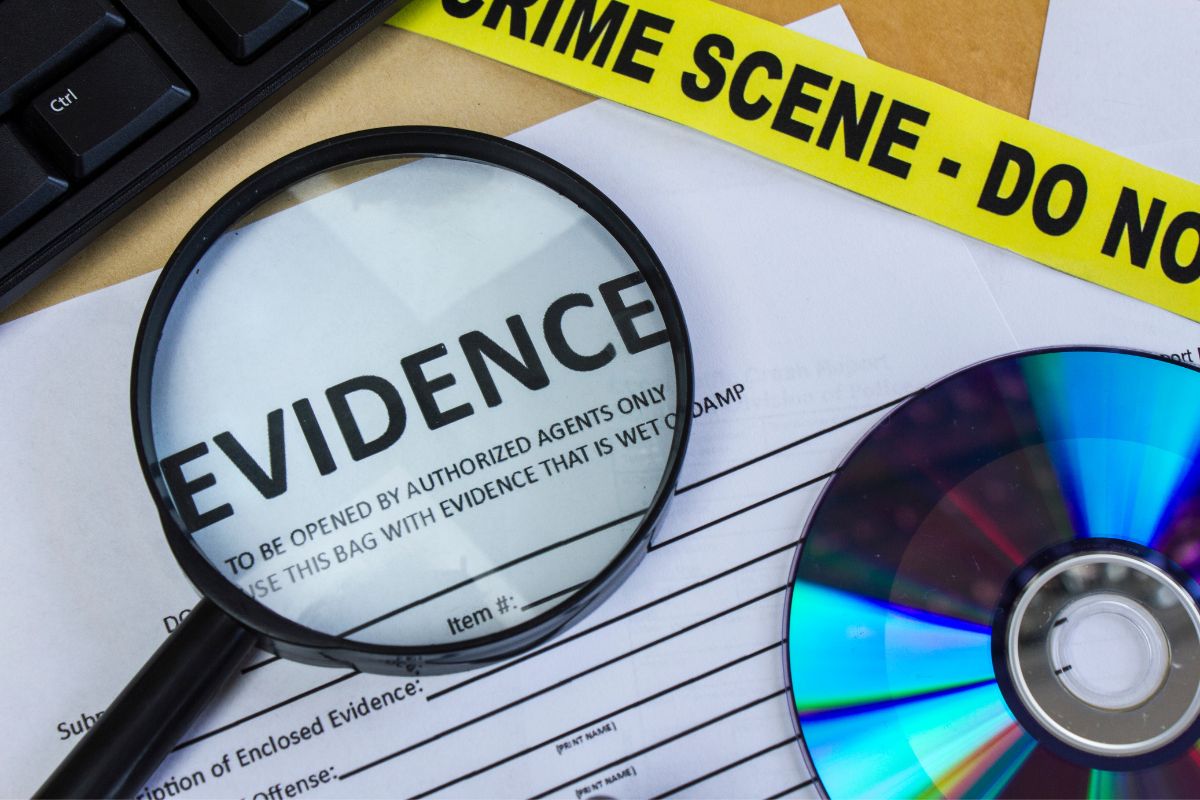
One crucial aspect of computer forensics is that it doesn’t just focus on retrieving files but also on maintaining a digital chain of custody, which ensures that the evidence recovered remains intact and uncontaminated. This chain of custody is essential for the data to be admissible in court.
The Role of Data Recovery Service in Computer Forensics
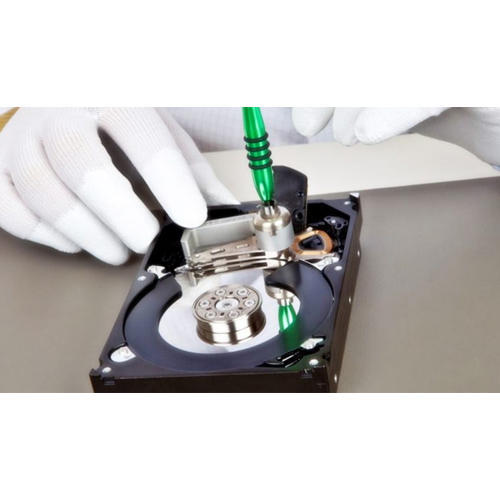
Data recovery services are an integral part of computer forensics. Whether due to accidental deletion, corruption, system failure, or physical damage to hardware, data loss is common. Data recovery services specialize in retrieving lost or damaged data, and in the context of computer forensics, they assist forensic experts in retrieving crucial evidence that could otherwise be lost forever.
Data recovery professionals employ a wide range of advanced techniques to recover data, including the use of specialized software and hardware tools. Forensic investigators often collaborate with these specialists when an investigation involves lost, corrupted, or encrypted data that must be retrieved to uncover evidence.
Data recovery can happen in several stages:
- Identification of the Problem: The first step is to diagnose the cause of data loss, whether it’s hardware failure, accidental deletion, or corruption due to malware or system malfunction.
- Data Imaging: Forensic investigators create a sector-by-sector copy (image) of the affected drive to avoid altering the original data during the recovery process. This process ensures that no evidence is lost or tampered with.
- Data Restoration: Specialized software tools are then used to attempt recovery of the lost or corrupted data. Depending on the extent of damage, this process may involve recovering deleted files, extracting files from a damaged hard drive, or repairing corrupt files.
- Verification and Documentation: After data recovery, forensic experts verify the integrity and authenticity of the recovered files. A detailed report is created to document the recovery process, which may be used for further analysis or in legal proceedings.
By combining the science of data recovery with investigative techniques, data recovery services help forensic professionals access crucial evidence that may have otherwise been beyond reach.
The Role of Computer Forensics in Cybercrime Investigations
In an age where cybercrime is on the rise, computer forensics has become a vital tool for law enforcement and private investigators. The science of computer forensics allows investigators to trace cybercriminal activities, collect evidence, and even identify suspects.
Some common cybercrimes that involve computer forensics include:
1. Hacking and Unauthorized Access
Hackers often leave digital footprints, such as traces of IP addresses, login credentials, and activity logs. By analyzing system logs and data files, forensic experts can determine how unauthorized access occurred, what data was compromised, and who was responsible.
2. Identity Theft and Fraud
Cybercriminals use stolen personal data for financial gain or other fraudulent activities. Forensic investigators can trace the origins of identity theft by analyzing web history, communication logs, and transactions to identify the perpetrators and their methods.
3. Malware and Ransomware Attacks
Ransomware and other malicious software often leave behind telltale signs, such as encrypted files or traces of a malicious payload. Forensic experts analyze infected systems to determine how malware infiltrated a network, what data was targeted, and which security flaws were exploited.
4. Digital Evidence in Criminal Investigations
In criminal cases, digital evidence can be invaluable. For example, the recovery of emails, text messages, GPS data, and photos can provide vital clues that could link a suspect to a crime scene or activity. Computer forensics enables law enforcement to retrieve and preserve this evidence in a legally admissible manner.
5. Data Breaches and Security Incidents
Data breaches, whether caused by hackers or internal negligence, can have devastating consequences. Forensic investigators work with data recovery services to trace the breach’s source, determine the scale of the breach, and identify what data was compromised. This information is vital for mitigating the damage and securing the network against future attacks.
Key Tools and Techniques in Computer Forensics
The process of computer forensics involves various specialized tools and techniques to recover data and analyze digital evidence. Some of the most commonly used tools include:
- Disk Imaging Software: Tools like FTK Imager, EnCase, or dd are used to create exact copies (or images) of storage devices. This is crucial to ensure that the original evidence is not altered during the investigation.
- Data Recovery Software: Forensic experts use software like R-Studio, Recuva, or Salvage to recover deleted or corrupted files from damaged drives.
- File Carving Tools: When files are partially overwritten or corrupted, tools like X1 or Autopsy can be used to reconstruct fragments of data and extract valuable evidence.
- Memory Forensics: Tools like Volatility or Rekall analyze data stored in a computer’s RAM, which can contain volatile information about running processes, system activity, and recent user behavior. Memory forensics is vital for tracking down malware or uncovering live system activity that isn’t captured on a hard drive.
- Network Forensics: Forensic investigators often analyze network traffic to detect suspicious activity, identify communication patterns, and track down attackers. Tools like Wireshark or NetFlow provide a detailed view of network communications.
- Password Cracking Tools: When encrypted data is encountered, forensic experts may use tools like John the Ripper or Hashcat to crack passwords and gain access to secured files.
- Mobile Device Forensics: With the increasing use of smartphones, mobile forensics has become an essential part of computer forensics. Tools like Cellebrite or Oxygen Forensic Detective can extract data from mobile devices, including text messages, app data, call logs, and GPS coordinates.
Challenges in Computer Forensics
While computer forensics plays a crucial role in investigations and data recovery, the field faces several challenges:
1. Encryption and Data Obfuscation
Many criminals use encryption and other obfuscation techniques to hide their tracks. While tools exist to crack encryption, it remains a time-consuming and resource-intensive process.
2. Data Volumes
The sheer volume of data generated daily presents a challenge for forensic investigators. In some cases, it may be impossible to sift through all available data within a reasonable time frame, especially if the data is not properly indexed.
3. Cloud and Distributed Systems
With more data stored in the cloud or across distributed networks, tracing and recovering digital evidence has become more complex. Forensic experts must navigate different storage environments and ensure that they have access to relevant data stored across various servers.
4. Legal and Ethical Considerations
Forensic investigators must adhere to strict legal and ethical guidelines to ensure that recovered data is admissible in court. They must also respect privacy laws, ensuring that the evidence they collect is relevant and obtained in a manner that doesn’t violate privacy rights.
Conclusion
Computer forensics is a vital science that helps recover lost data, investigate cybercrimes, and uncover digital evidence for legal proceedings. By employing sophisticated data recovery services and forensic tools, experts can retrieve and preserve digital clues that are crucial in solving criminal cases or securing data after a breach. As technology continues to evolve, so too will the field of computer forensics, making it an indispensable part of modern investigations and cybersecurity efforts.
The work of forensic experts ensures that even in the ever-changing digital landscape, justice can still be served, and critical data can be recovered when it’s needed the most.